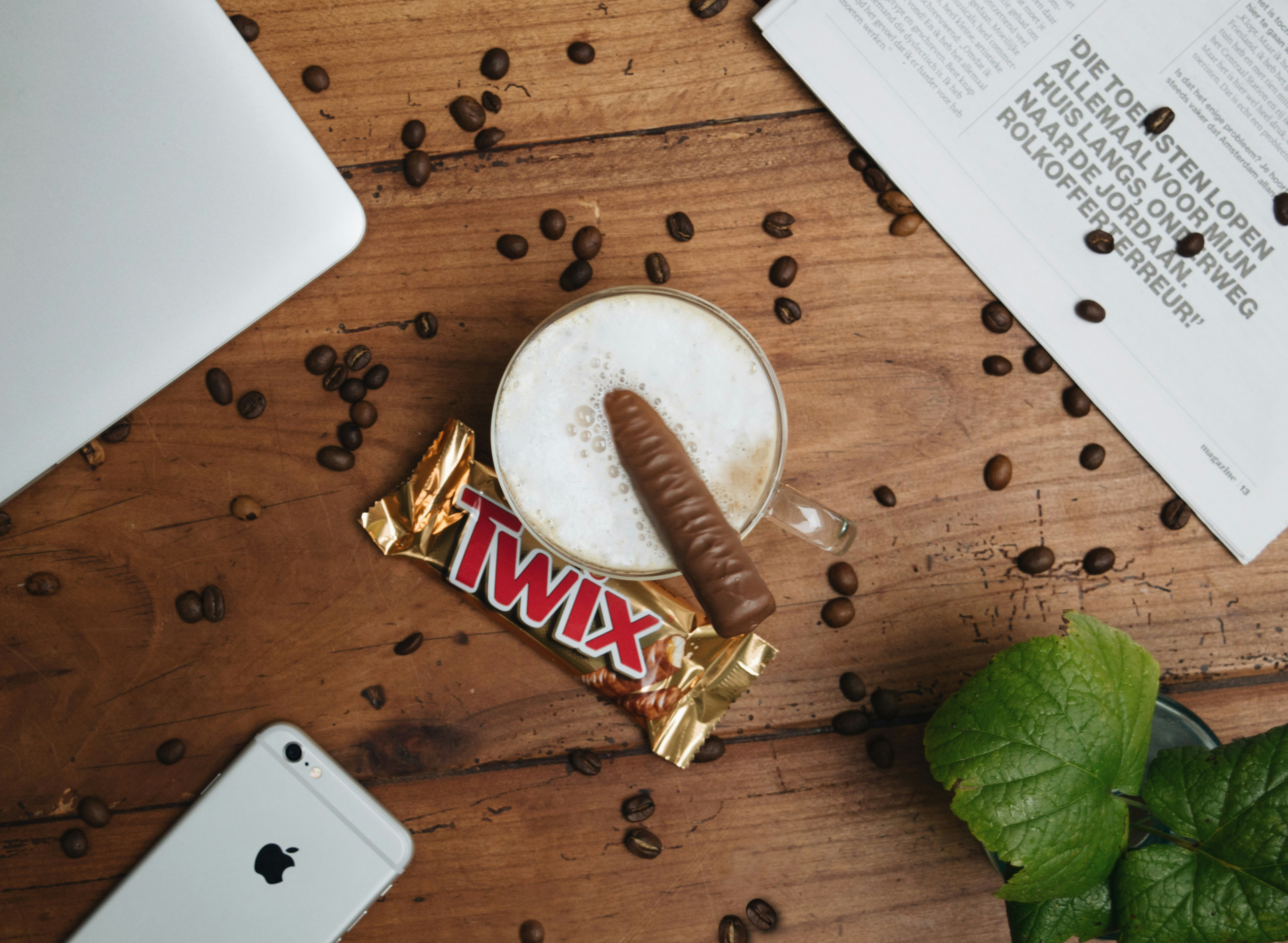

With the campaign "Left Twix vs. Right Twix," parent company Mars turned an everyday chocolate bar into a playful rivalry where consumers had to choose a side. The result: a simple product got a story, a personality, and - perhaps most importantly - a conversation starter.
The strength of the campaign lay not in what was sold, but in how it was told.
Two factories, one bar
The campaign was launched in 2012 by Mars and advertising agency BBDO New York. The commercials tell a fictional history about two brothers who once started a Twix factory together.
According to the story, the partnership fell into conflict. The factory was split into two rival camps: Left Twix and Right Twix. Both factories claimed that their product was the original and that the other party was merely making an imitation.
The joke? In reality, both bars are of course exactly the same. Yet the rivalry was presented with serious enthusiasm. In commercials, factory directors accused each other of copying and claimed they did things very differently, production methods were 'compared,' and viewers were asked to choose a side. You can see that first ad below:
 
 
Why it worked so well
The campaign worked because it combined several strong marketing principles.
1. A story makes a product interesting
Chocolate bars often differ little from each other. By adding a story, in this case a rivalry between two factories, Twix suddenly became more than just a snack. There was a story behind it, a literal struggle.
Research into consumer behavior shows that stories are remembered better than product features because they add emotion and context.
2. People love to choose a side
By allowing consumers to choose between Left Twix and Right Twix, a form of playful competition arose. That principle, also known as tribal marketing, enhances engagement because people like to be part of a group.
Whether it's Apple vs. PC, Coke vs. Pepsi, or Marvel vs. DC: rivalry creates discussion, and discussion creates attention.
3. The difference didn't have to be real
Perhaps the most fascinating aspect of the campaign is that the difference between the two products is entirely fictional.
But marketing doesn't always need to create functional distinctions. Sometimes symbolic differences are enough to make a brand recognizable.
You can describe this as building distinctive brand assets: recognizable elements that make a brand memorable, even when the product hardly differs from competitors.
4. Humor lowers resistance
The rivalry was deliberately presented absurdly. Everyone actually knew it was a joke, and that made the campaign likable.
Humor in advertising can increase attention and enhance brand recall because it makes the message less intrusive.
More than a chocolate bar
Through the campaign, Twix became more than just a snack. It became a conversation topic. People literally asked each other: 'Are you Left Twix or Right Twix?'
That kind of interaction is marketing gold. When consumers tell the story of a brand themselves, advertising becomes part of culture. And that's exactly what Twix achieved. Twix's marketing shows that a strong campaign doesn't always revolve around product innovation, but rather the way of presentation.
A few key lessons:
1. Products need stories
Even simple products become memorable when a narrative develops around them.
2. Involve consumers in the story
By letting people choose, Twix engaged in activating marketing. With the struggle between the two camps, participation and thus engagement arose.
3. Differentiation doesn't always have to be technical
Symbolic differences can be just as powerful as functional ones.
4. Humor makes brands accessible
A playful tone can make a brand more likable and recognizable.
The marketing of Twix
The campaign Left Twix vs. Right Twix proves that creative positioning is sometimes more important than product innovation. By putting two identical bars against each other, Twix created a story that consumers were eager to participate in.
And perhaps that is the greatest strength of the campaign: it showed that a brand sometimes doesn't need a new product, just a good story.