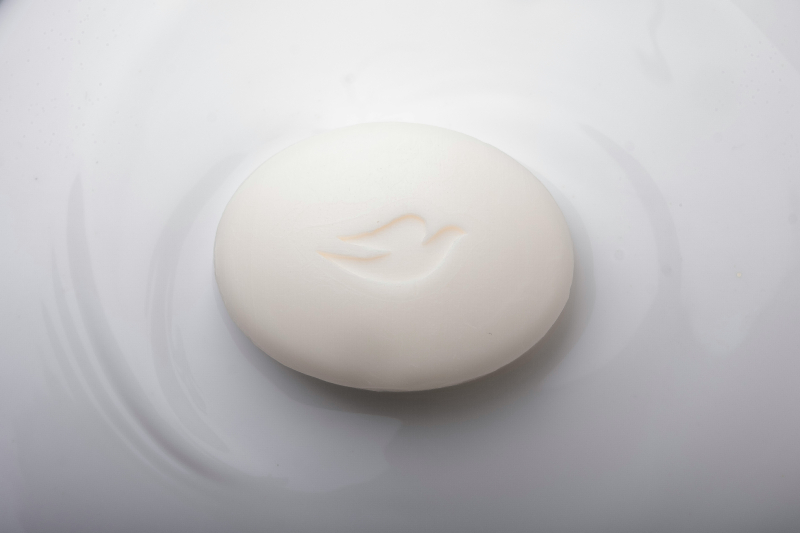

In 2004, Dove (Unilever) launched the Campaign for Real Beauty. The impetus was research showing that only a small percentage of women considered themselves beautiful. Dove then decided to take a radically different course than other personal care brands: no supermodels, no perfect skin, but "real women" of various ages, sizes, and backgrounds.
The campaign began with billboards featuring women with questions like: 'Wrinkled or Wonderful?' and 'Fat or Fit?' The answers to those questions were left to the public. This turned beauty ideals and marketing into a societal conversation, for better or for worse.
The Follow-Up: Evolution (2006)
Dove continued to hold onto the idea and the campaign. In 2006, the video Evolution was released, showing how an apparently 'ordinary' woman was transformed into a billboard model through makeup, styling, and Photoshop. The video became one of the first true viral hits on YouTube, garnering millions of views at a time when that was exceptional.
The power lay in transparency: Dove showed how beauty images are constructed, something that had rarely been explicitly stated in advertising until then.
Why Dove: Real Beauty Works
The campaign, now more than 20 years the driving force behind Dove's marketing, has borne fruit. In the early years, Dove's revenue rose from $2.5 billion to over $4 billion. They owe that growth to a few key components.
1. From Product to Identity
Most personal care brands communicate functional benefits: hydration, softness, dermatological tests. Dove chose a different route with Real Beauty. The brand linked itself to an identity issue: how women see themselves.
That is fundamentally different from a product claim. A functional promise competes on attributes. An identity promise nests itself in the consumer's self-image.
By placing 'real beauty' at the center, Dove shifted the competitive struggle from shelf space to societal debate. This makes a brand less replaceable.
2. It Perfectly Matched a Cultural Shift
In the early 2000s, criticism of unrealistic beauty ideals in media and advertising grew. Photoshop became increasingly advanced, models became thinner, and social media began to visibly influence the self-image of young people.
Dove stepped in at just that moment with a counter-narrative. The campaign thus did not feel like a marketing trick, but as a response to an existing discomfort in society.
Strong marketing often does not work by inventing something new, but by naming an existing tension that people already feel.
3. The Message Was Made Concrete
Many brands talk about inclusivity or authenticity but do not show it. Dove did, for example, with the Evolution video. The 'beauty process' was made explicit, breaking through the blind wall of makeup. People finally knew what they were really looking at: not professional models, but women with wrinkles, curves, and different skin tones. Just like everyone.
This made the message tangible. The campaign did not just say: 'Beauty is subjective', but truly showed that everyone could be beautiful.

From Campaign to Long-Term Strategy
Whether the goal from day one was to continue for 20 years is not entirely clear. But the consistency has helped Dove. The Unilever subsidiary created a true brand promise around the idea. With new campaigns, educational programs, and collaborations, Dove made it clear that it was not just a marketing stunt, but something the company truly believes in.
Building on this has had a few highlights. The strength of Real Beauty Sketches (2013), for example, lay not in production, but in emotion: women describe themselves more negatively than others see them. That message touches on a fundamental human insecurity. And brands that touch that emotion are remembered. Emotional brand attachment is demonstrably stronger than rational preference. Dove succeeded in not only selling a product but also providing recognition.
Thus, Dove has also almost become the moral choice. They convey that it is not about the money, that the products are genuinely there to help you feel better about yourself. And yes, that resonates.
Impact of Dove and Real Beauty
The Real Beauty campaign from Dove is one of the most influential marketing cases of the past twenty years. Not because it was visually so innovative, but because it showed that brand value can grow when a brand connects to a cultural tension.
It is a textbook example of how marketing can be more than sales, provided it is executed strategically and remains credible. Even now, Dove claims to be committed to improving women's self-image, for example through research. After 20 years, we can only believe that.