
Increasingly, influencer marketing is becoming a full-fledged pillar within marketing strategies. With the #ad - which is mandatory - and free samples , companies ensure that their products come to the attention of the followers of large influencers. And it works, but it is also becoming increasingly complex. Does the advertisement come across as authentic, are you addressing the right niche or target audience, and how has influencing changed in recent years?
From Glamour to Credibility
Where influencer marketing used to revolve around 'the biggest names with the most followers', the focus is increasingly shifting towards trust, credibility, and relevance. Consumers have become more critical, and brands that blindly rely on visibility feel this.
In their place, micro-influencers (5,000–50,000 followers) and even nano-influencers (fewer than 5,000 followers) are gaining ground. Not because they shout the loudest, but because they are closer to their followers and therefore come across as more authentic. They know their niche, talk to their audience, and are seen as 'one of us'. For entrepreneurs, this means: it is no longer necessary to pay for stars. Relevance wins over fame.
AI, Avatars, and Algorithms
At the same time, a technological revolution is also emerging. With the rise of AI influencers and virtual avatars, the lines between real and fake are becoming blurrier. Brands like Prada and KFC have already experimented with synthetic faces. Some companies even generate new content daily without human intervention - also known as AI-slop.
Of course, this raises a lot of doubts. Is it ethically responsible to influence an audience through an AI persona? How transparent should you be about 'who' is behind a post? New legislation, such as the expected European guidelines regarding AI-generated content, will be decisive in this matter. Outside of this, the question remains: how well can people connect with an AI or digital character?
It creates a growing dilemma: on one hand, you want to present your product as authentically as possible to people, on the other hand, you want to stand out in the algorithm. The latter requires constant alignment with trends, enough posting, and achieving the highest possible SEO.
Business Influencer Marketing
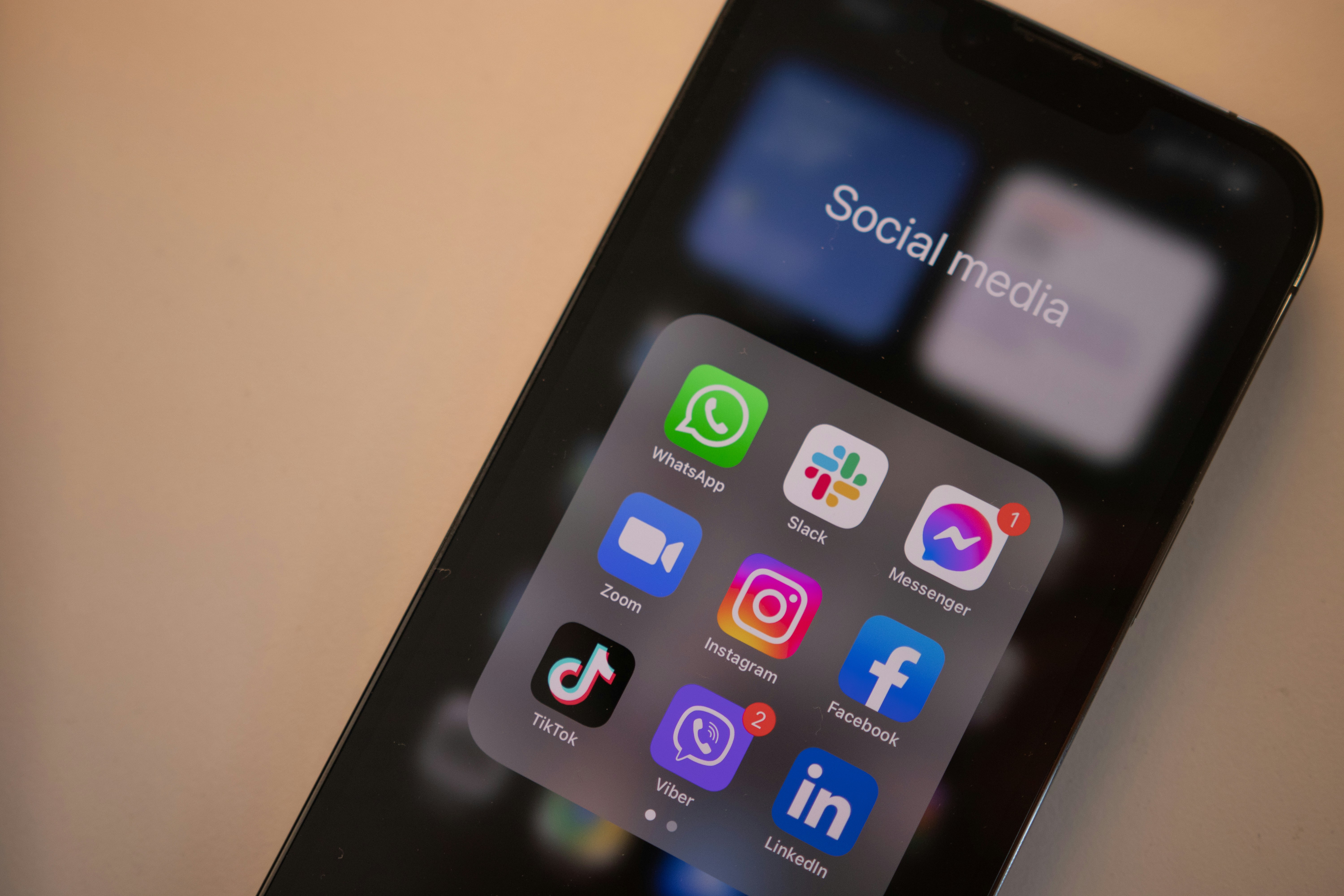
Outside of TikTok and Instagram, this form of marketing is also gaining traction. Think of LinkedIn, where professionals want to inspire their network, coincidentally with a particular product or brand. In this case, there is often talk of employee advocacy. Here, it is not so much real influencers who speak about a product, but rather employees of a company who promote their own work as a brand ambassador. Just think: do you ever see a post where someone proudly talks about what they have achieved and then precisely explains what a product or service entails?
For entrepreneurs who want to leverage this type of marketing, a different perspective is needed: no purchased scripts or posts, but facilitating stories from within the organization. Existing influencers know how to sell themselves online, your employees probably do not.
Community vs. Campaign
As mentioned earlier: visibility is less important than connection. Where reach used to be the goal, it is increasingly about building a community. Not how many people you reach, but how many you touch.
Brands like Glossier and Patagonia understand this principle well. They do not build campaigns, but communities. Not on Facebook, but on their own platforms, niche forums, Reddit, and Discord servers. That is where true engagement happens: customers giving feedback, helping each other, and shaping the brand together. It also requires a lot of maintenance; as a brand, you need to be reachable for your community, set up moderators, and keep the servers safe from cybercrime. But with a good brand community, you hook customers for life.
Dutch Examples
In the Netherlands, there are companies that invest heavily in influencers, often with success. For example, Tony's Chocolonely has long structured its campaigns around 'the power of free publicity' by focusing on organic content, without paying platforms. They did use influencers in the food and household sectors, and with that strategy, they gained an increasingly larger name.
Albert Heijn perhaps invests the most in influencers. They use big names like Bram Krikke, for example, for a summer campaign this year, but they also let smaller or niche influencers shop for deals and promotions. They often use their own staff to keep up with trends on TikTok or Instagram.
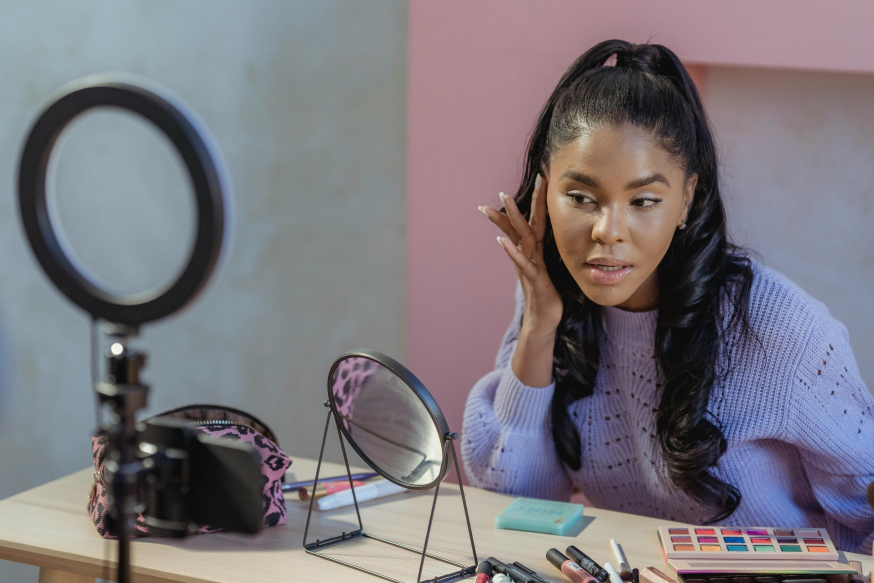
Rituals also employs influencers from all over the world for their products. From Italy to South Korea and from the US to our own Netherlands, beauty influencers showcase what the Rituals products have to offer. Here, too, a niche is utilized.
Influence Your Target Audience
As always in marketing, knowing your target audience remains the most important. You must not only know where your followers are, but also understand how they want to be addressed. Do they prefer a sketch, a review, or 'just' an explanation about the product? Visibility is important, but credibility takes precedence. Believe us on that.