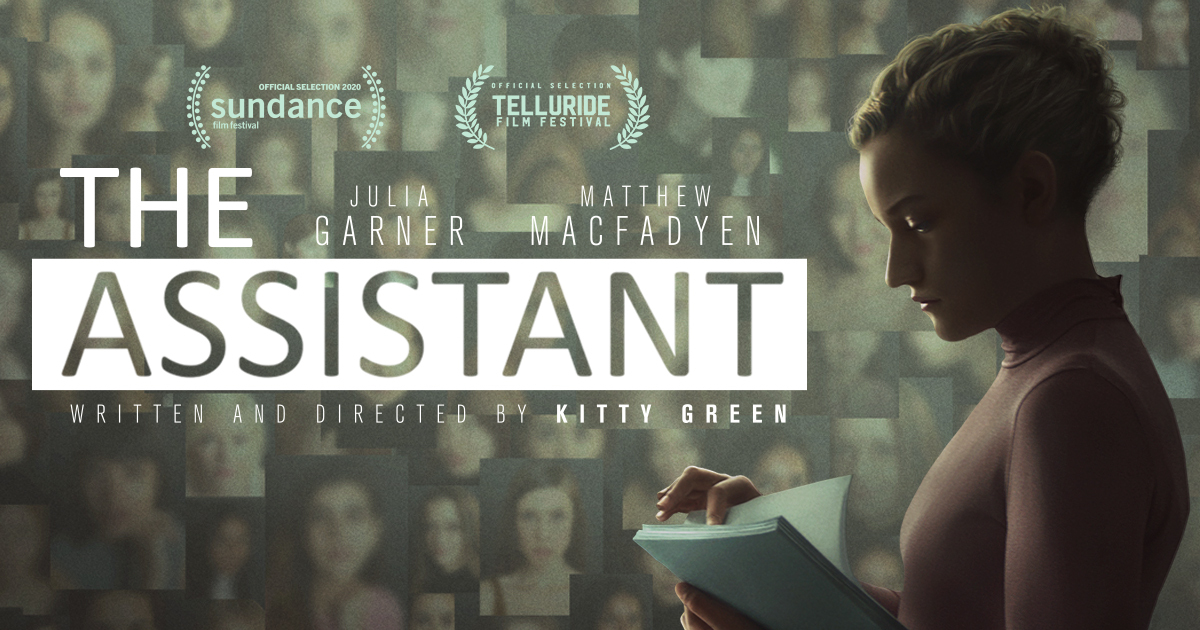

The Assistant (2019) takes place during a single workday at the office of an influential film producer. We never actually see the producer throughout the entire film - the focus for all 87 minutes is on the assistant, Jane. We follow her daily routine as she slowly begins to understand the system she is working in.
The film is minimalist. We follow Jane as she sends emails, prepares meeting rooms, handles phone calls, and puts out small fires. Gradually, it becomes clear that she is part of a corporate culture that facilitates inappropriate behavior.
What is The Assistant about?
The Assistant is not about any of these scandals, but about structure. The Assistant shows how corporate culture arises from small actions: who speaks out, who looks away, who protects reputation over integrity. There is no major confrontation. The tension lies in what is not said.
This makes the film interesting for entrepreneurs and leaders. Culture is often described as something abstract, but here you see how it works concretely. In hierarchy. In the fear of losing your position. In the normalization of behavior that is actually not normal.
Leadership through absence
Notably, the "leader" in the film is almost never seen. His influence is felt, but indirect. This underscores how power can function without visibility. The system sustains itself, even without anyone explicitly giving orders.
For organizations, this is an uncomfortable mirror. What patterns exist that no one questions? Where is reputation more important than transparency?
The Assistant is not a classic entrepreneurial film. No company is built, no deal is closed. But it sharply illustrates how organizational culture determines what happens and what does not. The film is less about growth or strategy, and more about responsibility. It raises the question: what do you facilitate as a leader, even when you say nothing?