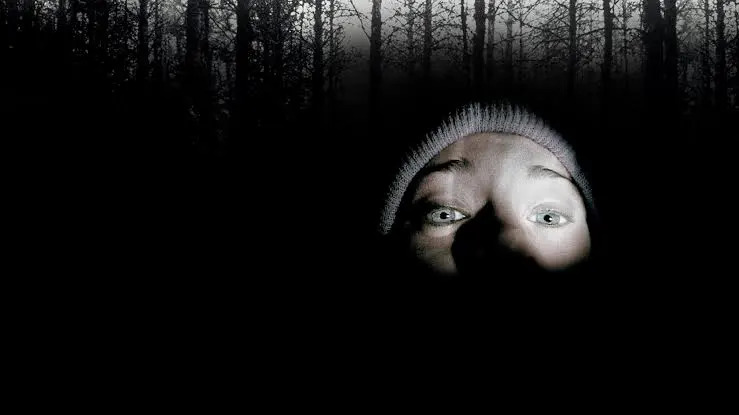

When The Blair Witch Project was released in 1999, it was an extremely low-budget horror film without any well-known actors, with a production cost between $60,000 and $200,000. Contrary to expectations, it grew into a cultural phenomenon and one of the most profitable independent films ever, with nearly $250 million in worldwide box office revenue. The film itself is good and was fairly groundbreaking, but the success is mainly attributed to the campaign.
What made the campaign so special was that it started before the film was even finished, on a medium that was still relatively new in 1999 and little used for film marketing: the internet.
A mystery that seemed real
The creators and distributor Artisan Entertainment built a mythology around the film that blurred the lines between fiction and reality. On the official website blairwitch.com, they posted fictional police reports, news interviews, biographies of the 'missing' characters, and background information about the legendary Blair Witch. Those details invited visitors to puzzle over what was real or fake.
This approach perfectly tapped into the psychological mechanism of curiosity. At a time when online myths and chat rooms were emerging, it led people to discuss, speculate, and share stories — exactly the ingredients of what we now call 'viral marketing.'
Additionally, the team distributed flyers, posters of missing persons, and news snippets at film festivals like Sundance and through guerrilla tactics. These real-world touchpoints supported the online mythology and reinforced the illusion that the story was real.
Internet: a new marketing channel
Hollywood relied heavily on traditional media around the turn of the century — trailer spots on TV, posters in cinemas, ads in magazines. Blair Witch was one of the first films to place the internet at the center of its marketing strategy.
The website played the leading role. Visitors were shown suggestive details, fake reports, and mystery teasers, and much of that content was intended to spark discussion on forums and in chat rooms. It was less an advertisement and more an interactive experience.
That was radical — not least because many people at the time initially saw the film as a documentary, partly because the actors were referred to by their real names in the marketing. That confusion contributed to the curiosity and buzz surrounding the film.
The Blair Witch Project and its marketing
The Blair Witch Project and its marketing are still seen as one of the first masterful cases of digital and viral marketing because:
1. The story was central, not the sale
The marketing focused not on promoting a product, but on building a mystery that people wanted to unravel themselves. This is a form of storytelling marketing that evokes emotion and curiosity.
2. The internet was utilized before big brands did
The site was active for months before the film premiered, creating prolonged engagement and online buzz.
3. Real-world guerrilla elements reinforced the digital mythology
Posters and flyers suggesting that the filmmakers were actually missing gave the mythology tangible credibility.
4. Community and discussion drove the promotion
Through fan engagement on forums and shared theories, marketing was effectively organized by the public itself, even before the terms 'viral' and 'UGC' (user-generated content) became commonplace.
Impact: marketing changed forever
This campaign was no gimmick; it showed that internet and community-driven strategies could challenge Hollywood. It opened the door for a new generation of marketing campaigns that are digital, interactive, and built on mystery or participation — from alternate reality games to transmedia storytelling.
Marketing teachers and professionals continue to study The Blair Witch Project as one of the first cases where a low-budget product with minimal budget could still reach a mass audience. Purely through creativity, curiosity, and trust in the story.
What brands can learn from this today
The success of The Blair Witch Project illustrates a few core principles for effective marketing:
- Put storytelling before traditional promotion. A story that people want to share can be more powerful than a classic advertisement.
- Let your audience participate. By building interactive elements and mysteries, the target audience shifts from receiver to co-creator.
- Use new platforms for what they are worth. The internet was new in 1999, but the principles are timeless: seek out the platforms where your audience is and leverage their unique capabilities.
- Buzz is stronger than budget. A well-told story automatically sparks conversations — and a lot of free promotion.
In a time of social media, memes, and online communities, this principle is more relevant than ever. The Blair Witch Project shows that marketing can be more creative, exciting, and effective than traditional channels suggest.