
International Women's Day has its origins in the labor movement of the early twentieth century. In 1909, the Socialist Party of America organized the first national women's day in New York, following protests by female textile workers against poor working conditions and low wages.
A year later, German activist Clara Zetkin proposed at an international conference in Copenhagen to organize an annual international women's day. The idea was widely supported, and by 1911 the first major celebrations took place in various European countries.
The date March 8 gained additional significance in 1917, when female workers in Petrograd, now St. Petersburg, took to the streets in large numbers to protest against food shortages and World War I. The protests escalated into a massive strike and ultimately marked the beginning of the Russian Revolution.
Since 1975, the day has been officially supported by the United Nations and is used worldwide to raise awareness for women's rights and gender equality. The year itself was also recognized as International Women's Year, which included the first UN conference on women.
Why International Women's Day in 2026 is still necessary
Although significant progress has been made in recent decades, there are still considerable, and sometimes even growing, disparities between men and women in the labor market. Consider the pay gap, underrepresentation in top positions, and differences in opportunities for career development.
International Women's Day in 2026 is therefore not only a celebration of what has been achieved but also a moment to draw attention to the challenges that still exist. The day serves globally as a platform to stimulate the conversation about equality, opportunities, and inclusion.
For organizations, this directly relates to themes such as talent development, leadership, and innovation. Diverse teams have been shown to perform better and be more innovative, as different perspectives lead to better decision-making.
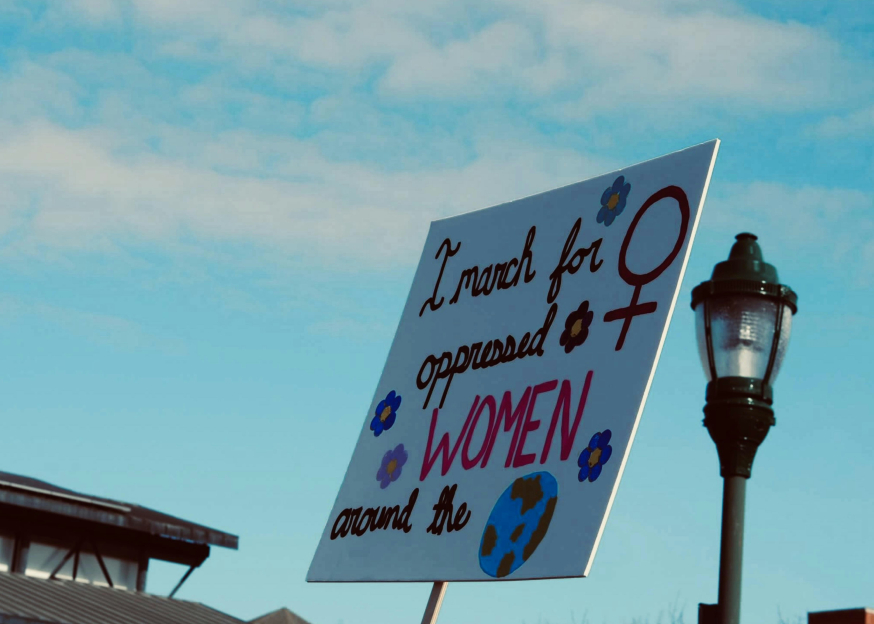
What can your organization do?
For companies, International Women's Day does not have to be a symbolic moment marked only by a post on LinkedIn or a bouquet of flowers in the office. It can be a good time to think structurally about inclusion within the organization.
Some ideas:
1. Start an open conversation about inclusion
Organize a lunch session or panel discussion on topics such as equal opportunities, leadership, and work-life balance.
2. Spotlight female role models
Allow employees, if they wish, to share their stories about career development, obstacles, and success factors.
3. Critically examine internal data
Analyze, for example, the proportion of women in management positions, salary structures, or promotion paths.
4. Invest in mentoring or coaching
Mentoring programs help employees advance more quickly and strengthen the internal network. You can also use it to gain insight into other perspectives.
5. Make inclusion part of the strategy
Diversity and inclusion only truly work when they are part of the culture and not just an annual campaign.
International Women's Day is more than a symbolic day
International Women's Day has grown in 2026 into a global moment of awareness and action. Each year, the day has a theme that aims to promote collaboration and progress. In 2026, for example, the day is internationally themed 'Give to Gain', calling on organizations and individuals to actively support each other to make progress. In the Netherlands, the theme is '#NotMyRight', with extra attention to where women's rights are under pressure in daily life.
For companies, the real value of this day lies not just in celebration, but in leveraging the momentum and the conversation. By engaging in dialogue and taking concrete steps, an organization can build an inclusive culture where talent - regardless of gender - can thrive optimally.